Broccolini: What It Is, How It Tastes & How to Cook It
18 min read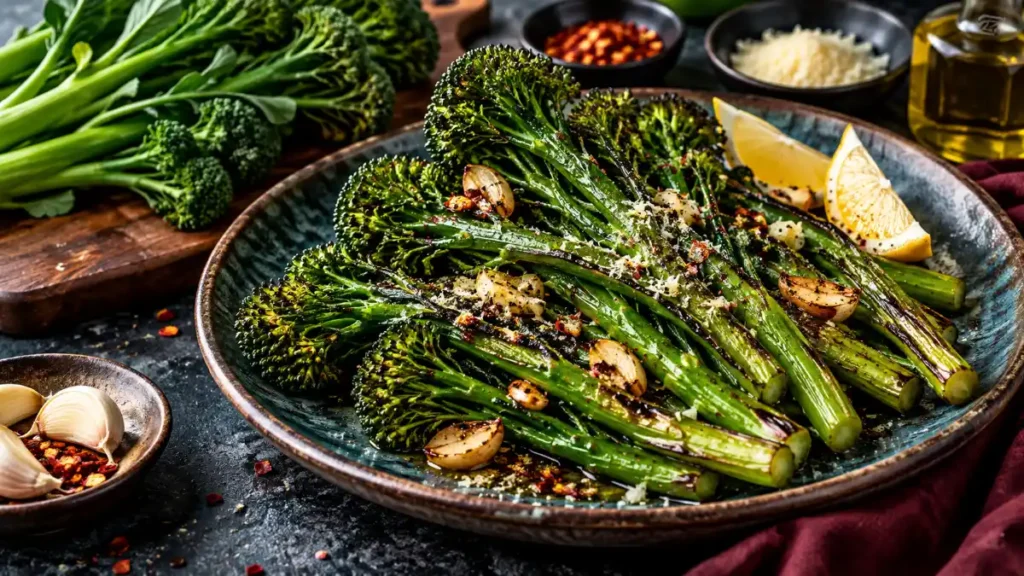
They’re dark green, like broccoli- long, skinny stems with small heads that taste just like it. A frequently misidentified hybrid between field broccoli and Chinese broccoli.
It has long, thin stalks and tiny clusters of florets instead of a broccoli head. This is made up of fairly sparse parts, so nothing much to get rid of because all stems and leaves as well florets are edible. It has a very light taste, with sweeteners that combine well with garlic, lemon, parmesan cheese, flakes/extracts of pepper, or spices from sesame and soy sauce.
Your first time collecting it, the questions you should ask yourself are far simpler: how do I go about selecting a new bouquet? Which parts should you cut? Roast, sauté, steam, or grill? What is that? And if your local supermarket is out of it, then what do you use? This guide provides answers to all your questions, from the produce aisle through cooking, storage, and substitutes.
What Is Broccolini?
Broccolini is an agricultural hybrid between gai lan and broccoli, which itself is a Brassica oleracea variety. While the traditional greens and tiny flowerheads of broccoli are in this variety, its longer and narrower stems resemble its ancestors – Chinese broccoli. No, not baby broccoli. This vegetable is intentionally grown as a separate hybrid, and baby broccoli is mostly used to refer to this plant informally rather than botanically.
Keep in mind here that in the US, “Broccolini” is a trademarked term owned by Mann Packing. Green bell peppers can also have different names, and this is a contributing factor to why produce labels can get confusing.
Is Broccolini the Same as Baby Broccoli?
Not exactly. “Baby broccoli” is a common name people use for vegetables with the same general look: thin stems and small broccoli-like florets. But the original Broccolini product is a specific broccoli-gai lan hybrid rather than broccoli harvested while young.
The easiest visual clue is the structure. Instead of one large, dense broccoli head, you’ll usually see individual slender stems topped with relatively small florets. The stems are a major part of the vegetable rather than something you automatically discard.
What Is Broccolini a Hybrid Of?
It comes from broccoli and gai lan, also called Chinese broccoli or Chinese kale. Both belong to Brassica oleracea, the species that includes several familiar cultivated vegetables. This parentage helps explain its characteristics. The broccoli side contributes the recognizable florets and familiar flavor, while gai lan contributes characteristics associated with elongated stems and leafy growth.
The vegetable was developed by Sakata Seed Company in Japan after years of breeding work and entered U.S. markets in the 1990s.
What Does Broccolini Taste Like?
The flavor is generally mild, slightly sweet, and broccoli-like, with a tender, crisp texture when cooked correctly. Compared with broccoli rabe, it is much less associated with a pronounced bitter flavor. The stems are especially useful because they remain pleasantly firm when cooked briefly. The small florets can brown quickly, while the thicker parts of the stem take a little longer to soften.
Cooking method also changes the flavor. Roasting creates browned edges and a deeper savory taste. Grilling adds smoke and char. Steaming keeps the flavor cleaner and more delicate, while sautéing gives you more control over browning and seasoning.
Is Broccolini Bitter?
Usually, it has a relatively mild flavor rather than the pronounced bitterness associated with broccoli rabe. That doesn’t mean every bunch will taste identical. Age, variety, growing conditions, and cooking method can affect flavor. Overcooking can also make vegetables taste less fresh and pleasant. If you prefer a sweeter, more caramelized flavor, roasting is a good choice. If you want something lighter, steaming or brief blanching works well.
What Does Cooked Broccolini Taste Like?
Cooked properly, it can have tender stems, lightly crisp florets, and a mild vegetable flavor. Roasting brings out browned, savory notes. Grilling adds char and smokiness. Sautéing works especially well with garlic, olive oil, chili flakes, or lemon. Steaming produces a softer, cleaner flavor that lets the vegetable itself remain the focus. Rather than looking for one universally “best” cooking method, choose based on the result you want.
Can You Eat the Whole Broccolini?
Yes. The tender stems, florets, and leaves are edible. One of the vegetable’s biggest practical advantages is that you don’t have to remove a thick, woody stalk the way you might with some mature vegetables. You still want to remove any dry or damaged portion at the very bottom of the stem. That’s a quality issue, not a rule that the entire stem is inedible.
Are Broccolini Stems Edible?
Yes. The tender stem is one of the defining features of this vegetable. You can roast, sauté, grill, steam, or stir-fry the stem along with the florets. If a particular stem is unusually thick, splitting it lengthwise helps it cook at roughly the same rate as the florets.
Can You Eat the Leaves?
Yes. Small leaves attached to the stems can be cooked along with the rest of the vegetable. They may cook slightly faster than thick stems, so there’s no need to remove every leaf before cooking. In fact, doing so simply creates extra food waste.
Can You Eat Broccolini Raw?
Yes. Raw pieces can be used in salads, vegetable platters, or other preparations where a crisp texture is desirable. Historical descriptions of the vegetable also note its tender crunch and mild, sweet broccoli flavor when raw. If the stems are thick, slice them lengthwise or cut them into thin pieces. This makes them easier to chew. Cooking changes the texture substantially. Steaming and blanching soften the stems, while roasting and grilling add browning and char.
Keep vs. Trim
Keep: florets, tender stems, attached leaves
Trim: dry ends, visibly damaged sections, unusually tough portions
How to Choose Fresh Broccolini at the Store
When shopping in a U.S. grocery store, focus on firmness, color, and freshness rather than looking for a particular bunch size. A good bunch should look crisp and hydrated rather than limp. The stems should feel firm, and the leaves and florets should look fresh.
What Fresh Broccolini Should Look Like
Look for:
- Firm, relatively straight stems
- Bright green color
- Crisp-looking leaves
- Fresh, compact florets
- No slimy areas
- Little or no bruising
- No strong unpleasant smell
The stems are particularly important. Since they make up a substantial part of what you’ll eat, avoid bunches where the lower portions look severely dried out, soft, or damaged.
Signs Broccolini Is Past Its Prime
Be cautious with bunches showing:
- Extensive yellowing
- Wilted or limp leaves
- Soft or slimy stems
- Heavy discoloration
- Significant bruising
- A strong unpleasant odor
A few minor cosmetic imperfections don’t necessarily mean the vegetable is unusable. However, widespread softness or sliminess is a good reason to choose another bunch.
How Much Broccolini Should You Buy?
As a practical starting point, plan on roughly 4 to 6 ounces per person for a side dish, depending on the rest of the meal and how much trimming is needed. This is only an estimate because bunch sizes vary considerably between stores. For a family dinner, buying a little extra is generally more useful than trying to calculate an exact number of stalks.
How to Prepare Broccolini
Preparation is simple: wash it, dry it well, remove the dry base, and decide whether thick stems need to be split or larger pieces need to be cut.
Should You Wash Broccolini Before Cooking?
Yes. Rinse it under cool running water and remove visible dirt or debris. Drying matters more than many people realize. If you’re roasting or using a hot skillet, excess surface water can create steam and make browning more difficult. For roasting especially, pat the vegetable dry with a clean kitchen towel or paper towels after washing.
How Much of the Stem Should You Cut Off?
Don’t automatically remove a large portion of every stem. Instead, inspect the bottom. Cut away the dry, tough, or damaged end while keeping as much tender stem as possible. If the stalk is thick, split it lengthwise. This helps the center soften without forcing the smaller florets to cook for too long.
Do You Need to Peel Broccolini?
Usually, no. Tender stems generally do not need peeling. Removing the outer layer is unnecessary for most fresh bunches and can result in wasted edible vegetable. If a particular stem seems unusually thick or fibrous, splitting it is generally more useful than peeling it.
Should You Cut Broccolini Before Cooking?
It depends on the cooking method. Leave smaller stalks whole when roasting or grilling for an attractive presentation. Cut larger bunches into shorter pieces for skillet cooking, stir-fries, or pasta. For thick stems, a lengthwise split can help everything cook more evenly.
5-Step Preparation Checklist
- Rinse under cool running water.
- Check the stems, leaves, and florets for damaged areas.
- Trim only the dry or tough bottom.
- Pat thoroughly dry for roasting or high-heat cooking.
- Split thick stems or cut large bunches if needed.
How to Cook Broccolini
There isn’t one correct method. The best option depends on whether you want browned edges, a tender texture, smoky flavor, or a quick weeknight side.
How to Sauté Broccolini
Sautéing is one of the easiest ways to cook it on a busy weeknight.
- Heat a skillet over medium to medium-high heat.
- Add a small amount of cooking oil.
- Add the prepared vegetable in a reasonably even layer.
- Cook, turning occasionally, until the stems are tender and the florets begin to brown.
- Add garlic toward the latter part of cooking so it doesn’t burn.
- Finish with lemon juice, chili flakes, Parmesan, salt, or black pepper.
If the stems are thick, you can add a small splash of water and briefly cover the pan to help them soften before uncovering it and allowing excess moisture to evaporate.
How to Roast Broccolini
Roasting is ideal when you want browned edges and a more concentrated flavor.
- Heat the oven to about 425°F.
- Dry the vegetable thoroughly.
- Toss with olive oil and seasoning.
- Arrange it in a single layer on a sheet pan.
- Roast until the stems are tender and the edges are browned.
- Finish with lemon, Parmesan, or another preferred seasoning.
Cooking time varies with stem thickness and the size of the pieces, so start checking around the 10-minute mark rather than relying blindly on the clock.
How to Steam Broccolini
Steaming is useful when you want a tender, fresh-tasting vegetable without much added fat. Place the prepared stalks in a steamer basket over simmering water and cook until the stems are fork-tender but still have some structure. Avoid leaving them in the steam simply because the timer has not finished. The actual tenderness of the thickest stem is a better guide.
How to Grill Broccolini
Grilling gives the vegetable a smoky flavor and attractive charred edges. Lightly coat the stalks with oil and place them on a preheated grill. Turn them periodically so that multiple sides develop color without allowing the thinner florets to burn. It’s ready when the stems have softened, and you have visible grill marks or light char. Grilled stalks pair especially well with grilled chicken, steak, seafood, or a lemon-based dressing.
How to Blanch Broccolini
Blanching is useful when you want bright color and a crisp-tender texture. Place the prepared vegetable into boiling water briefly, then remove it and cool it quickly if you want to stop the cooking process. A Nebraska Department of Education vegetable guide, for example, uses a one-minute blanch followed by cooling for a broccolini-based salad preparation.
Blanching is useful for salads, pasta dishes, meal preparation, and recipes where the vegetable will receive additional cooking later.
How to Stir-Fry Broccolini
For stir-frying, cut particularly thick stems so they cook quickly. Heat the pan first, then add the oil and vegetables. Keep the heat high enough to encourage browning without burning the smaller florets. Garlic, ginger, sesame, soy sauce, chili, and other stir-fry ingredients work naturally with its mild flavor.
Which Way Should You Cook Broccolini?
Choose the method based on the result you want rather than simply following a generic “best” method.
| Cooking method | Approx. time* | Texture | Flavor | Best for |
| Sauté | 7-10 min | Tender-crisp | Savory | Quick side |
| Roast | 10-15 min | Crisp edges | Deep, browned | Weeknight dinner |
| Steam | 4-7 min | Tender | Clean, fresh | Simple meals |
| Grill | 5-10 min | Tender, charred | Smoky | BBQ |
| Blanch | 1-3 min | Crisp-tender | Bright | Salads/pasta |
| Stir-fry | 4-7 min | Crisp-tender | Savory | Stir-fries |
These are practical starting ranges, not guarantees. Stem thickness, piece size, pan temperature, oven performance, and starting temperature can change cooking time.
Best Method for Crisp Edges
Choose roasting or grilling. Both expose the vegetable to high heat, which encourages browning. Make sure the stalks are dry before roasting and avoid overcrowding the pan.
Best Method for a Quick Weeknight Side
Sautéing is a convenient choice because it requires one skillet and gives you direct control over browning and tenderness. It also makes it easy to build flavor with garlic, lemon, chili flakes, or Parmesan.
Best Method for Smoky Flavor
Grilling is the natural choice. The direct heat creates charred spots that complement the mild, slightly sweet flavor of the vegetable.
Best Method for Meal Prep
Blanching or steaming can work well when the vegetable will be incorporated into another meal later. Blanching is particularly useful when you want to preserve a bright color and crisp-tender texture before adding it to salads, pasta, or other dishes.
How to Tell When Broccolini Is Done
Cooking time is only part of the answer. The thickest stem is usually the best indicator of doneness.
What Properly Cooked Broccolini Looks Like
Look for:
- Brighter green color
- Tender but intact stems
- Florets that hold their shape
- Light browning for roasted or sautéed preparations
- No limp, waterlogged texture
The goal is generally tender-crisp rather than completely soft.
How to Test the Stem
Use a fork or the tip of a small knife to test the thickest portion of the stem. It should enter without excessive force but should not pass through as if the vegetable were mush. This simple test is more reliable than assuming every bunch will cook in the same number of minutes.
How to Avoid Mushy Broccolini
Don’t cook it longer simply because a recipe’s timer has not finished. Thinner stalks can become tender quickly, while thick stems take longer. Overcrowding can also increase moisture and slow browning. Remember that residual heat continues cooking vegetables after they leave the pan, oven, or steamer.
Easy Ways to Season Broccolini
Its mild flavor makes it easy to season without overwhelming the vegetable.
Garlic and Lemon
This is a simple combination for sautéed or roasted stalks. Add garlic toward the end of high-heat cooking, then finish with fresh lemon juice. The acidity helps brighten the flavor.
Parmesan and Black Pepper
Roasted stalks pair well with Parmesan and freshly ground black pepper. Add Parmesan near the end of cooking or immediately afterward so it doesn’t burn during extended high heat.
Chili and Garlic
Red pepper flakes add heat while garlic contributes a savory base. This combination works especially well in a skillet or pasta dish.
Sesame and Soy
Sesame oil, sesame seeds, soy sauce, ginger, and garlic work well for stir-fried preparations. Use soy sauce carefully because it adds both salt and umami.
Butter and Lemon
For steamed or blanched vegetables, melted butter and lemon make a simple finish. A little black pepper can provide enough contrast without requiring a complicated sauce.
What Goes Well With Broccolini?
Think of it as a flexible side rather than a vegetable that belongs to only one type of cuisine.
Broccolini With Chicken
Try it alongside:
- Roasted chicken
- Grilled chicken
- Chicken pasta
- Lemon-herb chicken
The mild flavor works particularly well with dishes that already use garlic, herbs, or citrus.
Broccolini With Steak and Other Meats
It can balance richer foods such as:
- Steak
- Pork chops
- Turkey
- Roasted meats
For a steak dinner, grilled or roasted stalks with lemon and black pepper can provide a fresh contrast to the richness of the main course.
Broccolini With Fish and Seafood
Good pairings include:
- Salmon
- Shrimp
- White fish
- Scallops
Lemon, garlic, chili, and olive oil work particularly well here.
Broccolini With Pasta, Rice, and Grains
Use it in:
- Pasta dishes
- Rice bowls
- Quinoa bowls
- Couscous
- Grain salads
Cut larger stalks into smaller pieces when mixing them into pasta or grain dishes so each bite gets a balanced amount of vegetable.
Vegetarian Meal Pairings
For a meat-free meal, pair it with:
- Beans
- Tofu
- Lentils
- Eggs
- Chickpeas
- Grains
A roasted vegetable and grain bowl with chickpeas, lemon, tahini, and fresh herbs is an easy way to turn it into part of a complete meal.
Broccolini vs. Broccoli vs. Broccoli Rabe
These vegetables look similar enough to confuse, but they aren’t interchangeable in every recipe.
| Feature | Broccolini | Broccoli | Broccoli Rabe |
| Appearance | Long, slender stems with small florets | Thick stalk with a larger central head | Leafier with smaller florets |
| Flavor | Mild and slightly sweet | Familiar broccoli flavor | More pronounced bitterness |
| Stems | Tender and prominent | Edible, but thicker | Edible |
| Leaves | Edible and relatively noticeable | Less prominent | Prominent |
| Best uses | Roasting, sautéing, grilling | Very versatile | Pasta, sautéing, Italian-style dishes |
The important point is that broccoli rabe is not simply another name for this vegetable. Its more bitter flavor can substantially change the result of a recipe.
Which One Should You Buy?
Choose broccolini when you want long tender stems, a mild flavor, and quick cooking.
Choose broccoli when you want larger florets and a more familiar broccoli texture.
Choose broccoli rabe when you specifically want a stronger, more bitter, leafy flavor.
Can You Substitute Broccoli for Broccolini?
Yes, in many recipes, but expect some differences. Broccoli generally has a larger floret-to-stem ratio and thicker pieces. You may need to cut it into smaller pieces or adjust the cooking time. A roasted vegetable recipe will still work, but the finished dish won’t have the same long-stem appearance or delicate texture.
Can You Substitute Broccoli Rabe for Broccolini?
You can, but it is not a flavor-neutral substitution. Broccoli rabe has a more pronounced bitter quality, so it works best when that flavor fits the recipe. Garlic, olive oil, chili, pasta, and other bold ingredients can complement it particularly well.
Broccolini Nutrition
Like other green Brassica vegetables, it provides relatively few calories while supplying several vitamins, minerals, and plant compounds. Nutrition values vary by product and database, so use the package label or a recognized food-composition database when exact numbers matter.
Broccolini Calories and Macronutrients
A typical 100-gram reference serving is roughly in the 30-35 calorie range, with about 6-7 grams of carbohydrate, around 2-3 grams of protein, and roughly 2-3 grams of fiber, depending on the specific food database or product. U.S. grocery listings show similar values, although serving definitions differ. Because nutrition values vary by cultivar, growing conditions, database, and preparation, it is better to present these as approximate reference values rather than pretending every bunch has identical nutrition.
Vitamins and Minerals in Broccolini
Commonly reported nutrients include:
- Vitamin C
- Vitamin K
- Vitamin A
- Folate
- Potassium
- Calcium
- Iron
For example, one U.S. grocery nutrition listing for an 85-gram serving reports 76 mg of vitamin C, 2 grams of fiber, 2 grams of protein, and 270 mg of potassium. Product-specific values should always take precedence when available.
What About Glucosinolates and Other Plant Compounds?
As a member of the Brassica family, it contains glucosinolates and other naturally occurring plant compounds. Research on broccolini has identified compounds including glucobrassicin and other phenolic compounds. However, the presence of these compounds should not be turned into claims that eating the vegetable prevents or treats a particular disease.
Does Cooking Change Broccolini’s Nutrients?
Yes. Cooking can change the levels of certain compounds. Research comparing boiling, steaming, and grilling found changes in broccolini’s phenolic composition and antioxidant activity, with boiling producing particularly large losses of some measured phenolic compounds. Another study found that steaming and stir-frying retained more glucosinolates and isothiocyanates than boiling under the conditions tested.
That does not mean you should avoid cooked vegetables. Cooking changes food in many ways, including texture, flavor, digestibility, and nutrient availability. The practical takeaway is simply that different cooking methods produce different nutritional and sensory results.
How to Store Broccolini
Fresh stalks should be kept refrigerated and protected from excessive moisture.
How to Store Fresh Broccolini
For best quality:
- Keep it refrigerated.
- Avoid storing it wet.
- If you wash it ahead of time, dry it thoroughly.
- Use a produce bag or container that doesn’t trap excessive moisture.
- Check the stems and leaves periodically for deterioration.
A U.S. grocery listing recommends refrigeration around 34-38°F and storing the vegetable unwashed in a plastic bag for up to about four days. Actual shelf life depends on how fresh it was when purchased and how it was handled.
How Long Does Fresh Broccolini Last?
A reasonable planning window is several days, rather than assuming it will stay at peak quality for a full week. Use the vegetable’s condition as the final guide. Firm, fresh-looking stalks are preferable to relying on a calendar date alone.
How to Store Cooked Broccolini
Transfer leftovers to a clean, airtight container and refrigerate them promptly. For the best texture, reheat only the amount you plan to eat. A skillet or oven can restore some surface texture better than prolonged microwaving, although the microwave is perfectly practical when speed matters.
Can You Freeze Broccolini?
Yes, but expect the texture to become softer after thawing. Blanching before freezing can help prepare vegetables for frozen storage. For best results, cool the vegetable quickly after blanching, drain it thoroughly, package it appropriately, and minimize excess air.
Frozen stalks are generally better suited to cooked dishes than preparations where you want the crisp texture of fresh vegetables.
Common Broccolini Cooking Mistakes
Small preparation decisions can make a noticeable difference.
Cutting Off Too Much of the Stem
The stem is edible and one of the main reasons to buy this vegetable. Instead of automatically removing a large section, cut away only the dry or damaged base. Split unusually thick stems if necessary.
Overcooking It
Overcooking can turn tender stems soft and waterlogged. Start checking early, especially when using thin stalks. Remove the vegetable when the thickest part is tender but still has some structure.
Adding Garlic Too Early
Garlic can burn before the vegetable is finished. For sautéed preparations, add minced garlic during the later stage of cooking or reduce the heat before adding it.
Crowding the Pan
A crowded pan traps moisture. Instead of developing browned edges, the vegetable can steam. Use a sufficiently large skillet or work in batches when necessary.
Roasting It While Still Wet
Surface moisture makes browning more difficult. After washing, dry the stalks thoroughly before tossing them with oil and placing them in the oven.
Treating Broccoli Rabe as an Exact Substitute
Broccoli rabe’s stronger bitter flavor can change an otherwise mild recipe. If you’re substituting it, consider whether the recipe has enough bold flavors to balance that bitterness.
What Can You Substitute for Broccolini?
The right substitute depends on which characteristic of the vegetable matters most in your recipe.
Broccoli
Broccoli is the easiest substitute when you primarily want a mild Brassica flavor. It works particularly well in roasting, steaming, soups, pasta, and stir-fries. Expect larger florets and thicker pieces.
Chinese Broccoli / Gai Lan
Gai lan is a useful option when the tender-stem and leafy characteristics are important. Its flavor is somewhat different, so it won’t produce an identical result, but it makes sense in stir-fries and other high-heat preparations.
Broccoli Rabe
Choose broccoli rabe when you’re comfortable with a more bitter flavor. It can work beautifully with garlic, chili, olive oil, pasta, and other bold ingredients, but don’t expect it to taste like a direct replacement.
Asparagus
Asparagus can substitute in some recipes when shape, quick cooking, or a green vegetable component matters more than flavor. It has a distinctly different taste, so this is better considered a functional substitute than a flavor match.
Quick substitution guide
- Closest mild flavor: Broccoli
- Tender stems and leafy texture: Gai lan
- Bold, bitter flavor: Broccoli rabe
- Similar quick-cooking vegetable: Asparagus
Frequently Asked Questions
What Do Baby Broccoli And Broccolini Grow Like?
So the answer is most definitely no, as “baby broccoli” is a very loosely defined term at best, but in actuality, true Broccolini was born not from an original product but from a regular hybrid between broccoli and gai lan (not baby broccoli).
What does broccolini taste like?
Milder than broccoli and sweeter: Tender young shoots. When roasting/grilling, you are left with a heartier taste, while steaming keeps it at its more delicate trait.
Is broccolini bitter?
However, it is much milder and sweeter than broccoli rabe overall. Diversity is flavour – strong bitterness may not be in the vernacular for every beverage.
Can you eat broccolini raw?
Yes. Young shoots, flower heads, and leaves are eaten raw. They can be sliced thinly, which makes a thicker stem easier to chew.
Should You Eat The Broccoli Di Cicco Stems?
Yes. Principal among these is its edible, tender stems. Trimming is largely only done for brown or extra-stiff base.
Should you peel broccolini?
Usually not. Peeling is not often necessary for still-fresh and tender stems. Actually, splitting a thick stem is typically all it really needs to cook through.
How to cook broccolini properly?
This is dependent on the kind of impact you want. Braise for browning, sauté for a speedy side, grill for smokiness, and steam if you want that hint of tenderness and pure flavor.
When is broccolini done cooking?
But until that thicker body is achieved, it ought to tear through the sturdiest of stems. The freshest test is also to poke a finger at the herbage: it should feel firm, not rotten or mushy between your fingers.
What if broccoli is an ingredient used in place of broccolini?
Yes. It’s called for in a ton of recipes, but it should be much thicker (you have to adjust the cut and cooking time)
How do you store broccolini?
Store Broccolini in the refrigerator and keep it as dry as possible until you’re ready to use it. When stored properly, it should last for about 4 to 5 days. If the stalks or florets become noticeably soft, slimy, discolored, or develop an unpleasant smell, it’s best to discard them.